Structural Therapy
A hands-on and movement-based approach designed to reduce pain, restore function, and improve how your body actually operates — not just where it hurts, but why.
Pain Is Rarely Just About The Area You Feel It
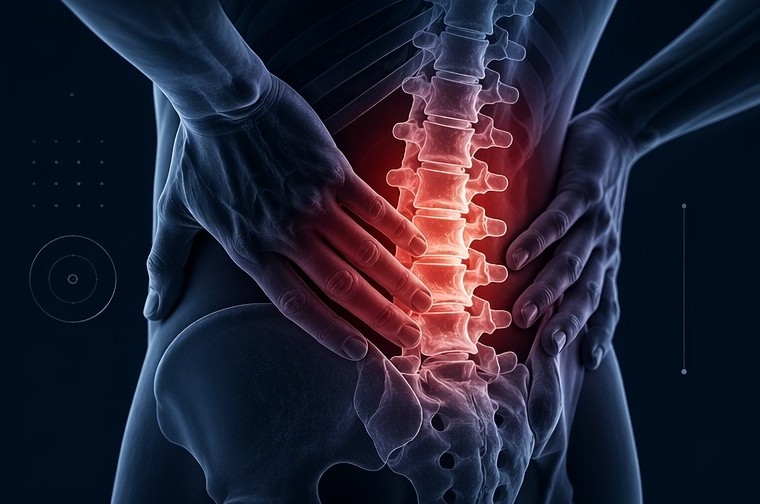
It is often the result of how your body has adapted over time — through compensation, restriction, and altered movement patterns. A sore knee may be driven by hip dysfunction. Shoulder pain may stem from thoracic immobility. Lower back issues often reflect a system-wide pattern of compensation.
Treating the symptom alone may give short-term relief, but it does not change the underlying issue. The pain returns because the driver was never addressed.
This approach focuses on understanding why the problem exists in the first place — and resolving the cause, not just the symptom.
Commonly Treated Issues
These are some of the most frequent presentations — though every case is assessed individually.
- Lower back pain and sciatica
- Plantar fasciitis and foot pain
- Neck and shoulder tension
- Tennis/golfer's elbow
- Hip and knee dysfunction
- Headaches and jaw tension (TMJ)
How The Body Adapts
Your body is constantly adapting to stress, injury, posture, and daily movement. These adaptations are intelligent — they protect you in the short term. But over time, they create new problems:
- Restricted tissues that limit range of motion
- Altered movement patterns that overload certain areas
- Compensation chains that spread dysfunction
- Increased mechanical load where it should not be
By the time symptoms show up, the issue has usually been building for weeks, months, or even years.
The Approach
This is not a single technique — it is an integrated system of hands-on treatment and movement-based work. Treatment is guided by how your body presents, not by a fixed protocol.
- Improving tissue quality and reducing adhesions
- Reducing unnecessary tension and protective guarding
- Restoring normal movement patterns and joint mechanics
- Addressing compensations within the kinetic chain
The aim is not just to reduce pain — but to change the conditions that created it. This means addressing tissue quality, joint mechanics, motor control, and the compensations your body has built around the original issue.
What This Involves
Each technique is applied with a specific clinical purpose — not generically. The combination is tailored to what your body needs.
Neuromuscular therapy
Targeted manual techniques addressing nerve-muscle interaction and dysfunctional motor patterns.
Trigger point dry needling
Precise needle insertion into myofascial trigger points to release deep muscular tension and restore blood flow.
Soft tissue treatment
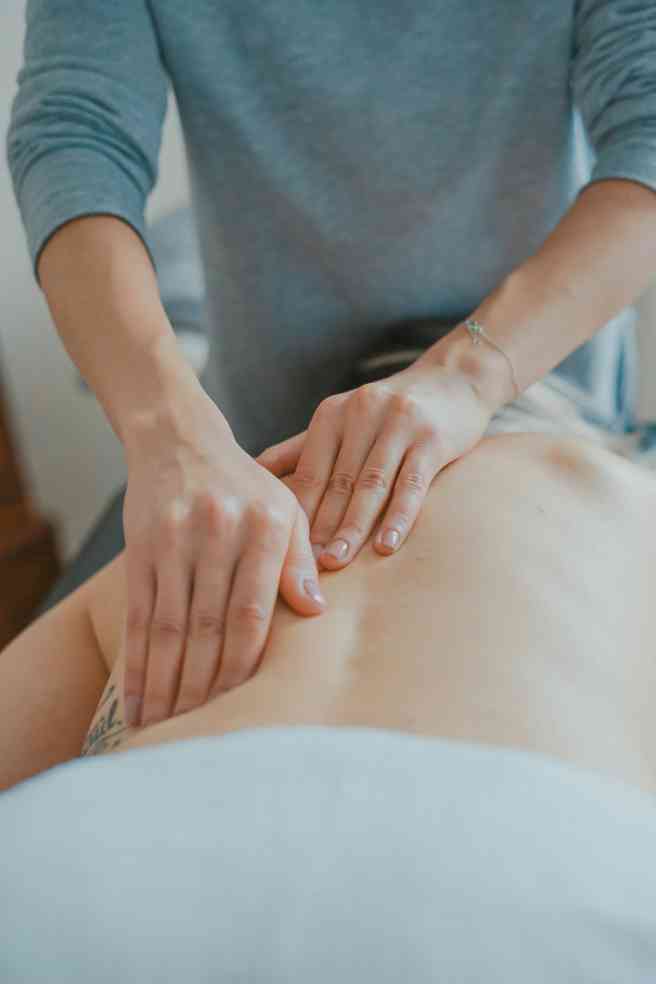
Hands-on work targeting fascia, muscle, and connective tissue to improve tissue quality and mobility.
Movement assessment and correction
Identifying faulty patterns and retraining the body to move efficiently without compensation.
Integrated manual and movement work
Combining passive treatment with active correction for lasting structural change.
Why This Works
When structure improves, function improves.
When function improves, stress on the body reduces.
When stress reduces, recovery accelerates.
This is not about forcing change — it is about removing the obstacles that prevent your body from functioning properly. Once the structural issue is resolved, the body begins to heal and adapt on its own.
- Reduction in pain and discomfort
- Better movement control
- Greater ease in training or daily activity
- Improved range of motion
- Less recurring tightness or restriction
Who This Is Suited For
- Ongoing or recurring pain that has not responded to conventional treatment
- Previous injuries that never fully resolved or keep returning
- Tightness or restriction that persists despite stretching and mobility work
- Movement limitations affecting training, sport, or daily life
- Post-surgical recovery or rehabilitation that has plateaued
This is for individuals who want to address the issue properly, rather than manage it temporarily.